
To understand the causes and nature of pathological processes (pathogenesis) it is important to research the microbiome of the oral cavity with an emphasis on the connection between the composition of the microflora, fluctuations in the Ph of saliva and the severity of the inflammatory process, which in turn gives an opportunity to provide effective treatment at various stages of a disease. Also, it helps to improve methods of oral cavity hygiene. We conducted a study of the microbiome of the oral cavity in dogs and cats together with A.A. Smorodintsev Scientific Research Institute of Influenza of the Ministry of Health of the Russian Federation (abbreviated name: Research Institute of Influenza) and the veterinary laboratory POISK (Saint Petersburg). Animals were arranged in 3 groups: clinically healthy (no inflammation or calculus), patients with gingivitis, minor stomatitis and calculus, and patients with severe inflammation (periodontitis) of the oral cavity. Additionally, dental X-ray examination was performed for some animals. In parallel, changes in saliva pH were monitored in these patients. The study has revealed limitations of traditional culture methods, which predominantly detect aerobic and fast-growing microorganisms, ignoring strict anaerobes and uncultivated species. MALDI-TOF mass spectrometry (Autof MS 1000) has demonstrated high accuracy and speed of identification of microorganisms, however, difficulties remain in differentiating normobiota, contaminants and pathogens, especially in conditions of polymicrobial associations. Based on the data obtained, it is proposed to introduce molecular genetic methods, including 16S rRNA gene sequencing and full-genome sequencing (WGS), for a comprehensive analysis of the microbiome, including uncultivated and anaerobic species, as well as the ability to detect not only bacteria, but also their resistance and virulence genes. These approaches will improve the accuracy of diagnosis and the validity of prescribing antibacterial therapy, overcoming the limitations of classical cultural studies.
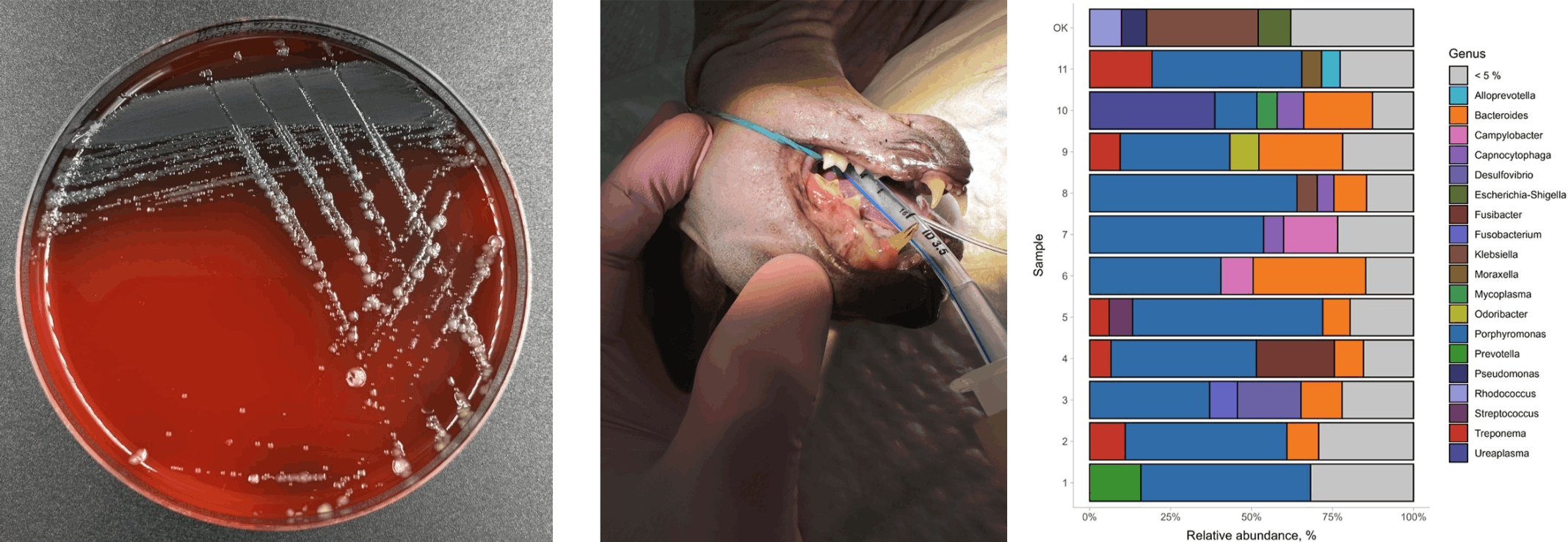
Photo 1. Different bacterial cultures are represented on blood agar from a lingual swab of a cat, female, 9 y.o. T
